CALL US
It shouldn’t be news to anyone who’s done a Google search recently, but traditional organic listings are getting hammered lower and lower on search results pages. And no surprise, clicks from organic search results continue to drop.
It’s trendy to say that all that traffic is now staying on Google, thanks to AI overviews and answers. And there’s no doubt that users are relying heavily on AI tools. But there’s also another gremlin eating away at your hard-won organic rankings – pay per click ads (PPC).
PPC Click Trends
A recent study of several consumer product search verticals revealed a dramatic increase in PPC click share over the past year. Put simply, this means that Google is getting even better at encouraging users to click paid listings instead of organic results. Let’s take a look at the shift:
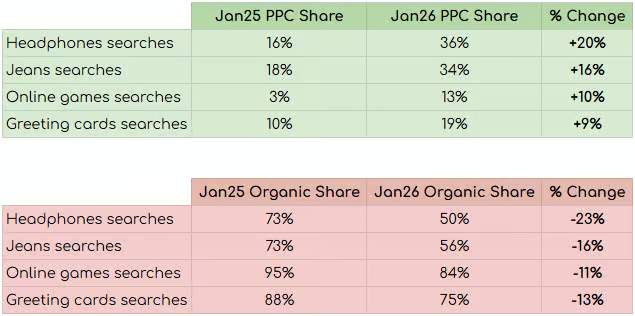
What we find most striking is the almost 1:1 correlation between increased PPC ad clicks and decreased organic listing clicks. It’s almost like organic rankings are being eaten alive by paid results! We can’t say for sure if a similar upheaval is happening in discretionary consumer services searches (i.e., aesthetic medicine searches) but we think it’s highly likely that these consumer product trends match up to a broader shift to a PPC-focused user experience.
What Your Response Should Be
The Google game has always been pay to play. Sure, organic rankings were “free” in the sense that you didn’t pay Google, but to compete, you had to pay companies like us to get you positioned. But to justify their current valuation, the payments Google receives need to go up – way up. Put simply, if you want continued visibility on Google, you will need to pay them more.
But we’re not here to tell you to splash cash on Google willy nilly. How you play the PPC game can dramatically influence your ad performance and resulting cost. Here are some of the big things we focus on when managing and optimizing Google Ads spend:
- High-Intent Keyword Targeting – We target high-intent search terms instead of broad, high-volume keywords. This ensures we pay for clicks that are likely to convert, not just boost traffic.
- Ongoing Search Query Refinement – We routinely analyze actual search queries using Google Ads insights and add negative keywords to eliminate wasted spend. This keeps budgets tightly focused on relevant traffic.
- Conversion Tracking & Measurement – We ensure we’re tracking the right actions, such as qualified leads and conversions, not just clicks. Tracking data allows us to optimize toward revenue and qualified leads that bring real business.
- Conversion-Focused Creative & Landing Pages – Optimizing ad copy and aligning it closely with the keywords and landing page messaging improves quality score and conversion rates, which results in higher return on spend over time.
- Smart Bidding & Budget Reallocation – We use smart bidding strategies and regularly shift budget toward the campaigns, keywords, and pages that are delivering the strongest return.
Summing Up
There’s still a place for traditional search engine optimization (SEO) and artificial intelligence optimization (AIO) tactics as part of your marketing mix. But paid ads are reaching more and more eyeballs and getting more and more clicks. Plan to spend more on ads in the years ahead, but make sure you’re doing it in the most efficient way to deliver the best possible value.